When to Go to South Korea Without Paying Peak Season Prices
South Korea's two lunar calendar holidays, Seollal and Chuseok, can double your travel costs. Here is when to go instead for decent weather and budget-friendly prices.
When to Go to South Korea Without Paying Peak Season Prices
You are looking at Seoul accommodation prices in late September and wondering why a guesthouse that cost ₩50,000 in August now wants double. The answer is Chuseok. Two holidays, the Lunar New Year and the autumn harvest festival, spike transport and lodging costs to twice their normal rate. You can avoid that entirely by picking a different week.
The 2027 Lunar New Year runs 21 to 23 January. The 2026 harvest festival runs 24 to 26 September. Both dates shift with the lunar calendar, so they fall on different Gregorian dates each year. The math is the same every time: demand fires up three days before the official holiday and cools three days after. In those windows, train tickets sell out within hours of release, guesthouse prices jump to the ₩120,000 to ₩250,000 range you would normally pay during peak blossom or foliage weeks, and independent eateries and shops in Seoul simply close for one to three days. The city does not empty of tourists. It empties of locals. Half of Seoul drives to the provinces to visit family, which leaves the capital quieter than any other time of year, but also leaves you without a dinner option if you did not check which places are operating.
Book the right week instead. The best value windows are the shoulder seasons that fall just outside the national rush.


The Two Peak Seasons That Double Your Costs
Harvest festival (Chuseok). For 2026 the official dates are 24 to 26 September, but the effective travel period stretches from 22 September to 28 September. Intercity buses and trains require reservations two to three weeks ahead. Try to book seven days out and the train is sold out. The remaining bus seats cost 1.5x the usual rate. Budget hotel rooms that sit at ₩50,000 to ₩100,000 in July and August climb to ₩120,000 and above. The Seoul streets are quiet, which sounds pleasant until you need a meal. Many independent restaurants and shops in residential neighbourhoods and central districts close for the full three-day holiday. Find food at convenience stores, at chain outlets in the big department stores, and in Itaewon. Expect a limited set of options.
Lunar New Year (Seollal). For 2027 the official dates are 21 to 23 January. Same pattern as the harvest holiday, same price spike, same closed eateries. The difference is the weather. January in Seoul averages a high of 2°C and a low of -6°C. Come for this holiday and you pay peak prices for the privilege of freezing. You get Seoul Plaza ice skating (free entry, skate rental ₩1,000 per hour, running mid-December to mid-February) and the Hwacheon Sancheoneo Ice Festival (early to late January, 2.5 hours from Seoul). Those are good attractions. They are not worth double accommodation costs and a five-hour wait for a table at a place that is actually open.
The Budget Windows That Work Better
Late September Into Early October
The 2026 harvest festival ends on 26 September. By 28 September most Seoulites are back at work. The holiday crowds vanish, hotel prices drop back to shoulder-season rates (₩50,000 to ₩100,000 for budget rooms), and the autumn foliage has not peaked yet, so you avoid the second price jump that hits the last week of October. The weather is comfortable: October averages 20°C high and 10°C low. You get decent daylight and no monsoon rain. That ended in late July.
Early November
The autumn leaf peak in Seoul runs late October to early November. That is the other week when budget hotels charge ₩120,000 to ₩250,000 per night. Arrive after 5 November and the prices drop immediately. The leaves are still on many trees, especially in the palaces and along the Cheonggyecheon stream, but the crowds have moved indoors. Unreserved train seats are easy to get. Guesthouses that were full on 1 November have vacancies on 6 November.
January Outside the Holiday
If you want winter and the ice festival, come 1 to 20 January, before the 2027 Lunar New Year begins on the 21st. Budget hotels sit at ₩40,000 to ₩80,000 per night. That is the cheapest rate all year. The festival at Hwacheon runs early to late January, so you catch it. The cold is the same. You pay half the price.
Summer Monsoon Season
Late June to late July is jangma, the rainy season. Humidity hits 80 to 85%. August averages 30°C high and 23°C low. It is uncomfortable. It is also the second cheapest time to visit: budget rooms run ₩50,000 to ₩100,000. If you only care about price and can handle an umbrella, July works. You get the longest daylight of the year (mid-June gives about 14 hours 45 minutes) and no national holidays blocking your plans.
| Period | Budget Hotel Nightly Rate | Average High / Low | Key Risk |
|---|---|---|---|
| Mid Jul to Mid Aug (monsoon) | ₩50,000 to ₩100,000 | 30°C / 23°C | 80-85% humidity, daily rain |
| Late Oct to Early Nov (foliage peak) | ₩120,000 to ₩250,000 | 20°C / 10°C | Crowds, sold-out trains |
| Late Mar to Early Apr (blossom peak) | ₩120,000 to ₩250,000 | 17°C / 7°C | Crowds, sold-out trains |
| January (before the holiday) | ₩40,000 to ₩80,000 | 2°C / -6°C | Cold, short daylight |
| Late Sep to Early Oct (after the holiday) | ₩50,000 to ₩100,000 | 20°C / 10°C | Fewer restaurant options in transition week |


What Goes Wrong and How to Fix it
The One Booking Error That Costs You
The most common mistake is booking a flight to Seoul during the harvest festival or Lunar New Year without checking the exact dates. A traveller who flies into Incheon on 23 September 2026 will spend the next three days wandering closed streets in humid autumn drizzle, paying double for the guesthouse they booked last week. The fix is easy: look up the lunar calendar for the year you plan to travel. Both holidays move by about two weeks each year. Confirm the dates before you buy a plane ticket.
Your Backup Plan If You Land Mid-Holiday
Your fallback is convenience stores (GS25, CU, 7-Eleven), department store food courts (Lotte Department Store in Myeongdong stays open), and Itaewon eateries, including Makan Halal Korean Restaurant (Korea Muslim Federation Halal Committee certified as of 2025) and Eid Halal Korean Food (self-declared, no third-party certification displayed as of 2025). That gives you hot meals. It is a thin list for a weeklong trip.
The better move: arrive three days after the holiday ends. Prices reset overnight. Kitchens reopen. The trains run empty. You see the same city at half the cost.
Common Questions
How much more do hotels cost during the Lunar New Year or harvest festival compared to normal?
Budget hotels that normally charge ₩50,000 to ₩100,000 per night in summer or winter jump to ₩120,000 to ₩250,000 per night during both holidays. That is the same price range as the peak blossom and foliage weeks. The increase is roughly 100% or more.
Are restaurants open in Seoul during the holidays?
Many independent restaurants and shops in Seoul close for one to three days. Chain restaurants in department stores and convenience stores stay open. Itaewon has a higher concentration of operating eateries, including halal-certified and Muslim-owned restaurants. Check individual restaurant social media accounts before walking there.
When exactly are the 2026 harvest festival and the 2027 Lunar New Year?
The 2026 harvest festival is 24 to 26 September. The 2027 Lunar New Year is 21 to 23 January. The effective travel disruption starts three days before and ends three days after those dates.
What is the cheapest month to visit South Korea for accommodation?
January, outside of the Lunar New Year, offers the lowest rates: ₩40,000 to ₩80,000 per night for a budget hotel. The monsoon months of July and August are the second cheapest at ₩50,000 to ₩100,000 per night.
Is Seoul empty during the holidays?
The city is quieter than normal because many residents travel to their hometowns. Fewer people on the street does not mean cheaper prices. It means higher hotel rates and fewer open restaurants. The city is not a ghost town, but your options narrow significantly.
Read next
-
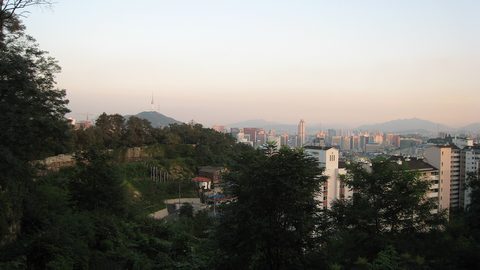
 South Korea Budget Stays Guesthouses Jjimjilbang Goshiwon and Love Motels Explained
A no-surprises guide to South Korea's cheapest beds, from sleeping on a jjimjilbang mat in Seoul to renting a tiny goshiwon room or a love motel by the night.
South Korea Budget Stays Guesthouses Jjimjilbang Goshiwon and Love Motels Explained
A no-surprises guide to South Korea's cheapest beds, from sleeping on a jjimjilbang mat in Seoul to renting a tiny goshiwon room or a love motel by the night.
-
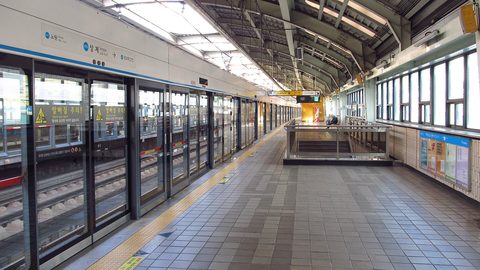 Getting Around South Korea With T-Money Cards KTX Trains and Intercity Buses
From tapping a T-money card on a Seoul city bus to navigating the Express Bus Terminal for a KTX ride, here is how South Korea's transport actually works.
Getting Around South Korea With T-Money Cards KTX Trains and Intercity Buses
From tapping a T-money card on a Seoul city bus to navigating the Express Bus Terminal for a KTX ride, here is how South Korea's transport actually works.
-
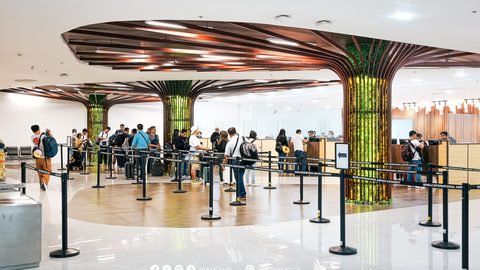 South Korea Entry Rules K-ETA Tourist Visas and What Southeast Asian Passports Need
A practical guide to South Korea's K-ETA system and tourist visa rules, with specific requirements for Philippine, Indonesian, Vietnamese, and other Southeast Asian passports.
South Korea Entry Rules K-ETA Tourist Visas and What Southeast Asian Passports Need
A practical guide to South Korea's K-ETA system and tourist visa rules, with specific requirements for Philippine, Indonesian, Vietnamese, and other Southeast Asian passports.
-
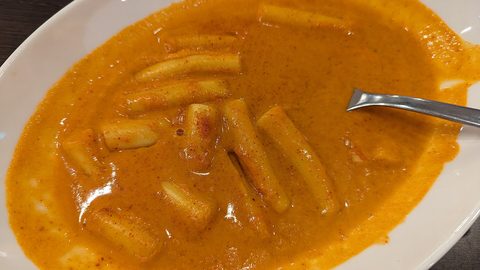 Eating Cheaply in South Korea Halal Food in Seoul and Budget Street Food Finds
Where to eat on a tight budget in South Korea, plus a dedicated guide to finding halal Korean food, from Itaewon barbecue to Myeongdong street stalls.
Eating Cheaply in South Korea Halal Food in Seoul and Budget Street Food Finds
Where to eat on a tight budget in South Korea, plus a dedicated guide to finding halal Korean food, from Itaewon barbecue to Myeongdong street stalls.
-
 One Week in South Korea A Line by Line Cost Breakdown for Budget Travelers
A detailed line-by-line account of every won spent during one week in South Korea, from T-money card top-ups to jjigae in a Namdaemun alley.
One Week in South Korea A Line by Line Cost Breakdown for Budget Travelers
A detailed line-by-line account of every won spent during one week in South Korea, from T-money card top-ups to jjigae in a Namdaemun alley.
-
 Seoul Shopping for Fabric and Markets Dongdaemun and Namdaemun on a Budget
Seoul's Dongdaemun and Namdaemun markets are where locals buy fabric by the roll. Learn the wholesale hours, the negotiation rules, and which floors matter.
Seoul Shopping for Fabric and Markets Dongdaemun and Namdaemun on a Budget
Seoul's Dongdaemun and Namdaemun markets are where locals buy fabric by the roll. Learn the wholesale hours, the negotiation rules, and which floors matter.
-
 Seoul
Seoul does not have to be expensive. A district-by-district guide to free attractions, cheap street eats near subway exits, and the palace days that cost nothing.
Seoul
Seoul does not have to be expensive. A district-by-district guide to free attractions, cheap street eats near subway exits, and the palace days that cost nothing.
-
 Busan
Take the night train from Seoul, wake up on Haeundae Beach, and do Busan on a budget. The cheap seafood markets, free viewpoints, and how to book that train.
Busan
Take the night train from Seoul, wake up on Haeundae Beach, and do Busan on a budget. The cheap seafood markets, free viewpoints, and how to book that train.
-
 Korea or Japan for a Cheap Trip The Honest Arithmetic Breakdown
A direct cost comparison of street food, transit passes, and budget beds to decide whether South Korea or Japan is cheaper for your next trip.
Korea or Japan for a Cheap Trip The Honest Arithmetic Breakdown
A direct cost comparison of street food, transit passes, and budget beds to decide whether South Korea or Japan is cheaper for your next trip.