South Korea During Cherry Blossom Season Without Peak Prices
A practical guide to South Korea During Cherry Blossom Season Without Peak Prices.
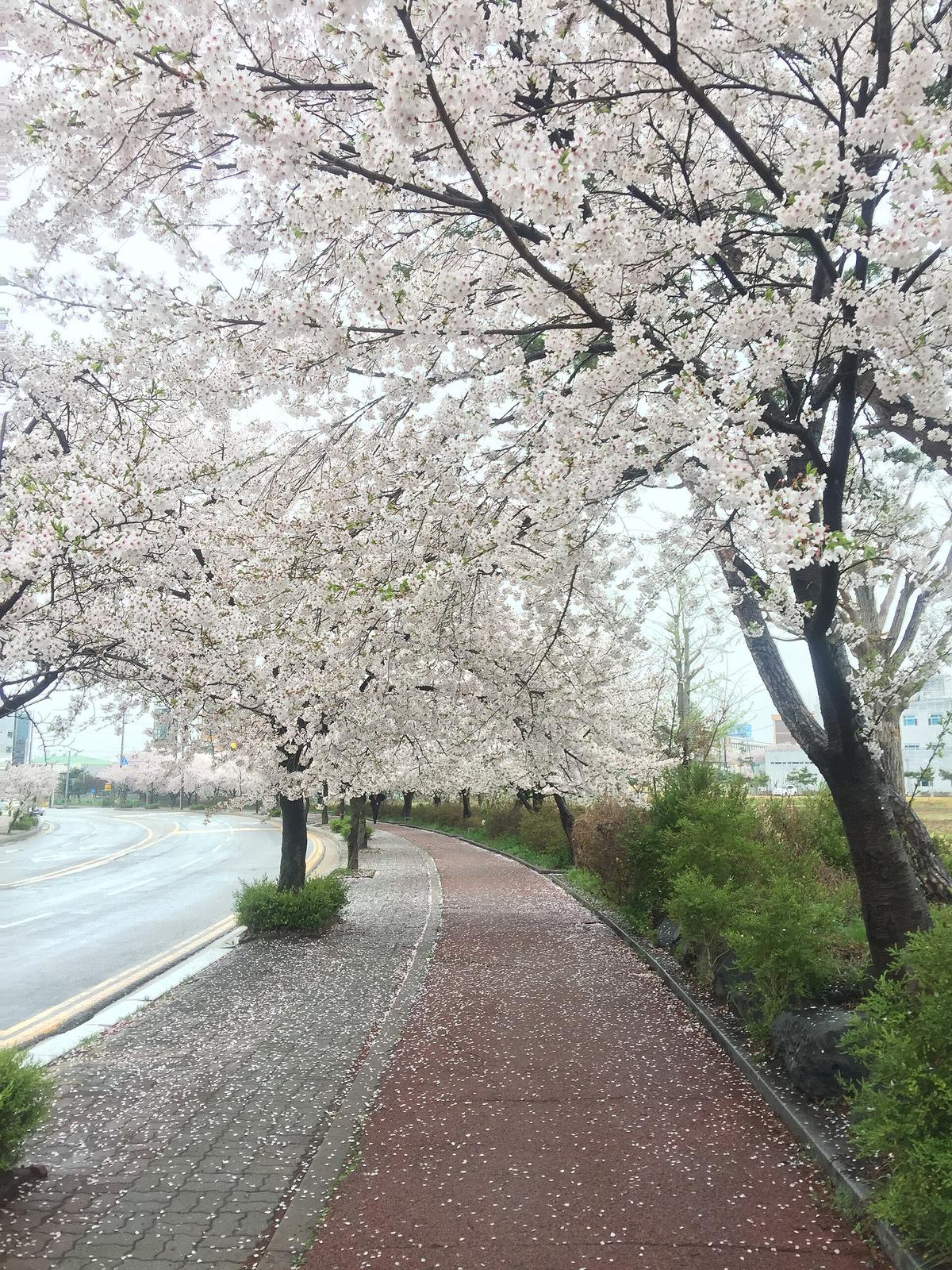

Why the calendar matters more than the forecast map
Cherry blossom season in South Korea is not a single date on a wall planner. It is a wave that rolls north across the peninsula over roughly two weeks, and understanding that wave is the single most powerful lever for controlling your trip budget. The Korea Tourism Organization published its 2026 bloom forecast on 26 February 2026, and the projected opening dates show a clear geographic sequence: Jeju Island and Busan on 25 March, Jeonju and Gyeongju on 28 March, Gangneung on 1 April, Seoul on 3 April, and Incheon on 7 April. Full bloom typically arrives about one week after each opening date, which puts Seoul's peak around 10 April 2026.
Those dates are a forecast, not a promise. Weather in February and March can shift the actual bloom by several days, and the Korea Meteorological Administration publishes a rolling update that should be checked in the weeks before travel. But the forecast is accurate enough to make a strategic choice: you can position yourself ahead of the peak in the south, or behind the peak in the north, and still walk under full canopies while paying substantially less for a bed.
The shoulder window that halves accommodation costs
Accommodation prices during peak bloom in late March and early April can rise 20 to 40 percent above normal rates. The steepest premiums cluster around the days when Seoul and the major festival cities hit full bloom. But the season has two natural shoulder periods that deliver blossoms without the price spike. Late March, before the southern cities reach their peak, offers full bloom conditions in Jeju and Busan while Seoul hotel prices remain closer to off-peak levels. Late April, after Seoul's petals have fallen, still holds blossoms in the cooler northern and mountain areas. According to one analysis, accommodation prices during these shoulder windows can run roughly 50 percent lower than mid-April peak bloom rates, and crowd density drops noticeably.
This is not a hack that requires obscure knowledge. It is simply a choice to travel a week earlier or a week later than the mass of visitors. A dormitory bed in a Seoul hostel ranges from approximately 15,000 to 45,000 won per night depending on season and location, and the lower end of that range is far more accessible outside the peak window. The tradeoff is straightforward: you may need to start your trip in the south to catch early blooms, or accept that Seoul's most famous tunnels will be past their prime if you arrive in late April. The blossoms in Incheon, which opens around 7 April, can bridge that gap neatly.
Free festivals that anchor a low-cost itinerary
Several of Korea's largest cherry blossom festivals charge no general admission fee, which removes a significant line item from a seasonal trip budget. The Jinhae Gunhangje Festival, the country's biggest blossom event, runs from 27 March to 5 April 2026 in Changwon City with free general admission, though individual programmes may carry separate fees. In Seoul, the Yeouido Spring Flower Festival operates from 8 April to 12 April 2026 along a 1.7-kilometre stretch of Yunjung-ro lined with approximately 1,800 cherry trees. Entry to Yeouido Hangang Park and the blossom path is free. The Incheon Grand Park Cherry Blossom Festival runs from 4 April to 11 April 2026, also with free admission, though parking is paid. Further south, the Gurye 300-ri Cherry Blossom Festival along the Seomjin River runs from 28 March to 30 March 2026 with free admission.
Festival dates and admission policies are set annually. Before committing to an itinerary, confirm the current year's details on the official festival or municipal websites. The Jinhae festival site and the Visit Seoul platform are the authoritative sources for their respective events. A practical approach is to build a skeleton itinerary around one or two free festivals and leave the surrounding days flexible, so a date change does not unravel the whole plan.
Seven Seoul blossom spots that cost nothing and need no booking
Seoul's headline blossom sites draw crowds that can feel incompatible with a relaxed, low-cost trip. But the city contains multiple free, bookable-free locations where full cherry tree canopies are the norm rather than the exception. Seven such spots are Yangjae Stream, Olympic Park, Boramae Park, Dream Forest, Seoul Forest, Kyunghee University, and Seokchon Lake. All are free to enter and require no advance booking. They are distributed across the city, so one is likely within a short subway or bus ride of most accommodation, and the transport cost to reach them is minimal.
These locations do not have the festival infrastructure of Yeouido or Jinhae, which is precisely the point. You trade food stalls and stage performances for space, quiet, and the freedom to arrive whenever you like. For a budget-conscious traveller, the recommendation is to visit one major festival for the atmosphere, then use these quieter sites for the actual blossom viewing. The combination gives you the cultural experience without paying peak-area premiums on every meal and activity.
Transport costs you can lock in early
Long-distance train fares in Korea are published and predictable, which makes them a budget line you can plan rather than guess. A standard adult KTX one-way fare from Seoul to Busan is 54,400 won, reduced from 59,800 won effective 1 September 2026. Tickets go on sale at 07:00 KST two months before the travel date. Booking early does not guarantee a lower fare on KTX, since the price is fixed rather than dynamically discounted, but it does secure a seat on trains that can sell out during the blossom peak. The official Korail site for foreigners is the place to verify current fares and booking windows before purchase, as both are subject to change.
For the airport transfer, two rail options serve different priorities. The AREX all-stop train from Incheon Airport Terminal 1 to Seoul Station costs 4,750 won with a T-money card and takes 59 minutes. The non-stop AREX Express costs 13,000 won and takes 43 minutes. The all-stop train saves 8,250 won per person each way, which over a round trip for two people amounts to 33,000 won, roughly the cost of two full days of Seoul subway travel. Fares and timetables can change, so confirm on the official AREX website or by calling 1599-7788 before travel.
Within Seoul, the base adult subway fare is 1,550 won with a T-money card for journeys up to 10 kilometres. Trunk and branch bus base fares are 1,500 won. These are flat, predictable costs that do not fluctuate with the season, making them the most reliable part of a blossom-trip budget.
Building a trip that bends around the bloom
A budget-conscious blossom trip is less about finding secret deals than about making a sequence of small, deliberate choices that add up. Start by picking a shoulder window: late March in Busan and Gyeongju, or mid-April in Incheon and the parks of northern Seoul. Anchor the itinerary around one or two free festivals whose dates you have confirmed on official sites. Fill the remaining days with the free, no-booking Seoul blossom spots. Book the KTX as soon as the two-month window opens for your travel date. Use the AREX all-stop train and a T-money card for all city transit. Accept that you are trading the absolute peak bloom in Seoul's most famous avenue for a quieter, cheaper, and still blossom-filled experience a few days or a few kilometres away.
The forecast dates from the Korea Tourism Organization give you a planning skeleton. The Korea Meteorological Administration's rolling updates let you adjust it. The official festival and transport sites give you the final numbers. None of this requires luck or insider access. It requires only the willingness to let the bloom calendar, rather than a fixed holiday date, dictate when and where you go.
Sources and verification
- english.visitkorea.or.kr — Research source checked for this guide
- english.visitkorea.or.kr — Research source checked for this guide
- visit.seoul.kr — Research source checked for this guide
- letseoul.com — Research source checked for this guide
- itour.incheon.go.kr — Research source checked for this guide
- hangeulia.com — Research source checked for this guide
Read next
-
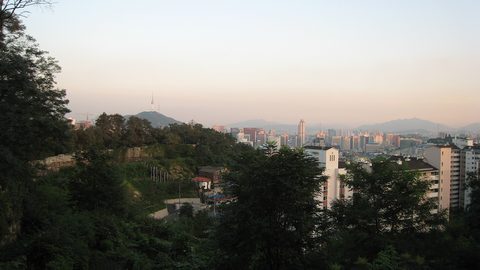
 South Korea Budget Stays Guesthouses Jjimjilbang Goshiwon and Love Motels Explained
A no-surprises guide to South Korea's cheapest beds, from sleeping on a jjimjilbang mat in Seoul to renting a tiny goshiwon room or a love motel by the night.
-
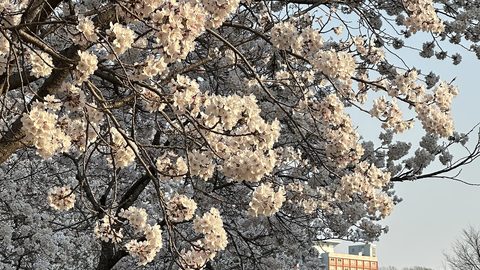 Best Time to Visit South Korea and the Two Peak Seasons That Double Your Costs
South Korea's two lunar calendar holidays, Seollal and Chuseok, can double your travel costs. Here is when to go instead for decent weather and budget-friendly prices.
-
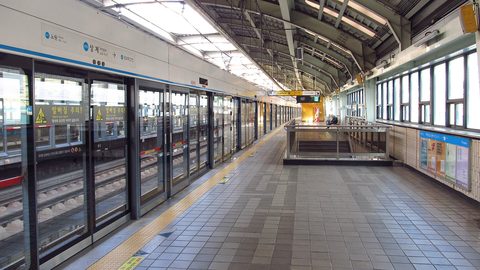 Getting Around South Korea With T-Money Cards KTX Trains and Intercity Buses
From tapping a T-money card on a Seoul city bus to navigating the Express Bus Terminal for a KTX ride, here is how South Korea's transport actually works.
-
 South Korea Entry Rules K-ETA Tourist Visas and What Southeast Asian Passports Need
A practical guide to South Korea's K-ETA system and tourist visa rules, with specific requirements for Philippine, Indonesian, Vietnamese, and other Southeast Asian passports.
-
 Eating Cheaply in South Korea Halal Food in Seoul and Budget Street Food Finds
Where to eat on a tight budget in South Korea, plus a dedicated guide to finding halal Korean food, from Itaewon barbecue to Myeongdong street stalls.
-
 One Week in South Korea A Line by Line Cost Breakdown for Budget Travelers
A detailed line-by-line account of every won spent during one week in South Korea, from T-money card top-ups to jjigae in a Namdaemun alley.
-
 Seoul
Seoul does not have to be expensive. A district-by-district guide to free attractions, cheap street eats near subway exits, and the palace days that cost nothing.
-
 Busan
Take the night train from Seoul, wake up on Haeundae Beach, and do Busan on a budget. The cheap seafood markets, free viewpoints, and how to book that train.
-
 Seoul or Busan Which Is Cheaper for a Five Day Trip
A practical guide to Seoul or Busan Which Is Cheaper for a Five Day Trip.